Apartment Roof Leak Repair
Multifamily Leak Work
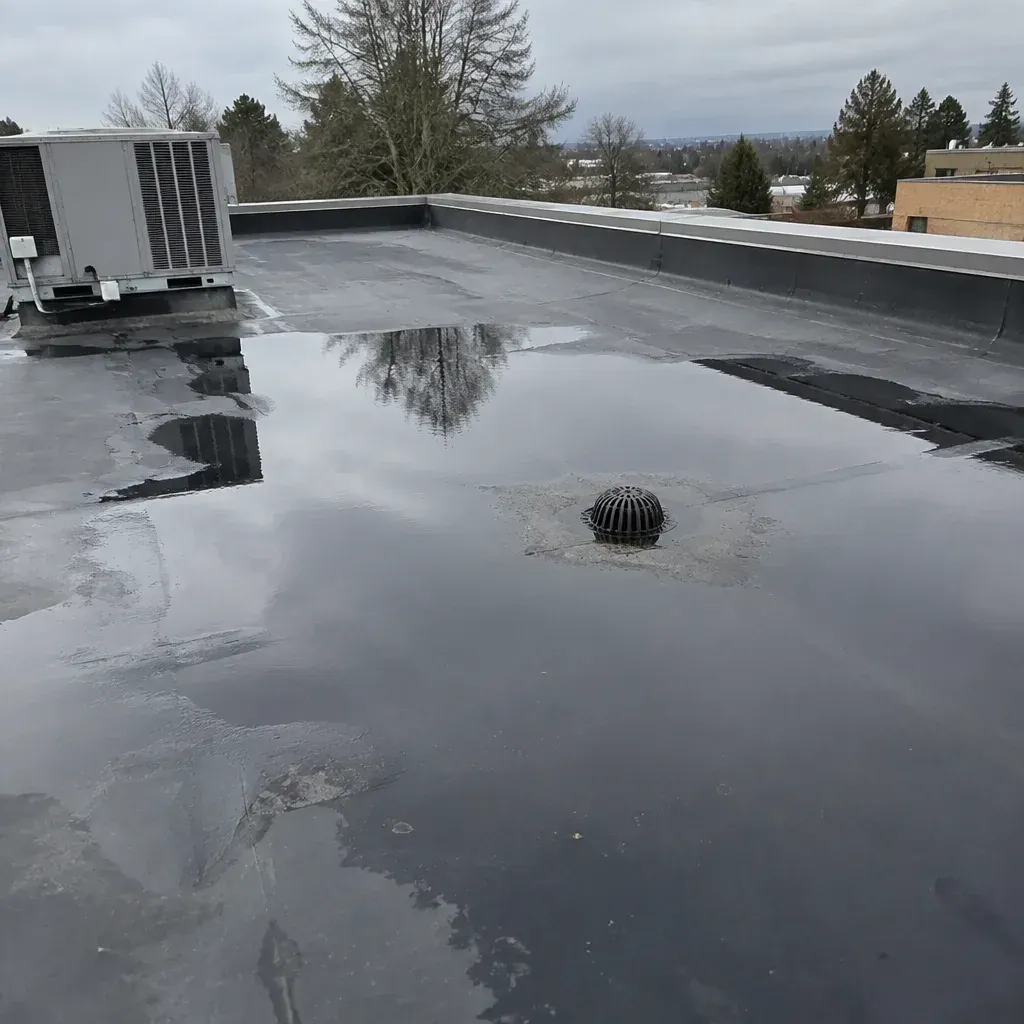
Trace the office roof leak, document findings, and plan repair access around occupied spaces in Danbury.
Give the roofer the affected rooms, floor locations, and roof access details. They can compare interior reports with roof conditions, document the likely entry area, and scope a repair. Agree on access and work hours with building staff to reduce tenant disruption.
Do not send staff onto a wet roof or ask them to investigate above a ceiling; leave roof access to the pros we connect you with. A useful office roof leak report starts with the affected floor and room, then connects those details to the roof area if building plans make that possible. In Danbury, a facilities manager can mark the suite on a floor plan and note who can approve entry, giving the roofer a practical starting point without interrupting other tenants.
Ask the person who noticed the office roof leak to record what changed and when: a drip during rain, a new mark after a storm, or damp ceiling material. Include whether the issue appeared once or returned, and whether it is near a wall, vent, or roof access area. These details help the roofer compare tenant observations with conditions above. For a Danbury office near Danbury Green, a clear room label is more useful than a general report that water is somewhere on the floor.
Before requesting an assessment, gather the roof plan, building access instructions, and the name of the person who can arrange entry. Identify occupied rooms beneath the reported area and any meeting times or access limits that could affect the visit. If the building is near Tarrywile Park, that landmark can help distinguish the property in scheduling notes, but the address and access contact still need to be clear. Keep the first visit focused on tracing the report, not disrupting normal office routines.
The room with a ceiling mark is a clue, not necessarily the roof area that needs repair. Water may pass along the roof deck or framing before it reaches an office ceiling, so the roofer compares the reported location with evidence in the attic or ceiling space and on the roof above. The inspection may cover seams, flashing, valleys, vent boots, or other roof materials. In Danbury, the findings should explain how the suspected entry area relates to the tenant’s report.
Roof access needs to fit the building’s rules and the inspection route. Tell the roofer where to sign in, which hatch or access point is available, and whether an escort is needed; a wet or steep roof calls for proper fall protection and equipment. The pros we connect you with can coordinate the route with your building contact before arriving. Around Candlewood Town Park, as anywhere in Danbury, a tenant’s report does not make an unsafe roof suitable for an unprotected walk.
| Office Area | Leak Evidence | Record to Keep |
|---|---|---|
| Building key | Property name and street address | Keeps inspection notes with the correct building |
| Space reference | Floor, suite, room, or ceiling-grid location | Lets reviewers pinpoint the reported interior mark |
| Timing notes | When staff noticed water and whether it returned | Helps compare staff observations with roof findings |
| Roof-plan marker | Drawing zone linked to the affected office area | Connects the room report to a review area |
| Photo set | Interior marks and relevant roof components | Gives insurers and inspectors visual evidence |
| Finding summary | Observed condition and likely entry area | Separates documented observations from working conclusions |
| Repair detail | Component repaired, method, and work limits | Defines what the commercial office roof repair covered |
| Visit coordination | Access route, escort needs, and tenant notice | Records conditions that shaped the site visit |
A useful inspection record lets a property manager, insurer, or later inspector understand what was checked and why. Ask for the affected suite or room, the roof area examined, the components observed, and a short explanation connecting the interior evidence to the suspected entry point. Photos of the ceiling mark and relevant roof conditions can support that account. For a Danbury property, label images by room and roof section so someone reviewing the file can follow the inspection without relying on memory.
If the findings involve flashing, the notes should identify the joint or opening it protects, such as a wall transition or roof penetration. Flashing directs water away from those vulnerable connections; gaps or damage can let water reach the roof assembly. A photo with a clear location label can help an insurer or inspector see which detail the roofer assessed. In Danbury, avoid treating a ceiling stain alone as proof of a particular defect; the written findings should state what the inspection actually supports.
When repair work is finished, request a record naming the roof section and component addressed, the work performed, and any conditions that remained outside the agreed scope. Ask for dated, location-labeled photos when available, so the property file shows the area before and after the work. That documentation can help a manager answer later questions from tenants, an insurer, or an inspector. At a Danbury office near Farrington Woods, a concise repair account is easier to use than a folder of unlabeled images.
Set the work window after the roofer explains which tasks may create noise, limit roof access, or require entry near occupied suites. A small repair above a quiet meeting room may call for a different time than work over a vacant area. Share tenant schedules and building access rules before agreeing to a date, then confirm any route changes with the property contact. For commercial office roof repair in Danbury, planning around the work itself gives tenants clearer expectations and helps keep normal business moving.
Give tenants one contact method for reporting a change while the work is underway. Ask them to include the room, time, and visible condition, then pass that information to the property manager rather than directing anyone to inspect the roof. This keeps new evidence tied to the right area and gives the roofer a reliable update if conditions shift. In Danbury, a simple reporting path can prevent separate tenant messages from becoming conflicting versions of the same office building leak.
For an insurer or inspector, keep observations separate from conclusions. A tenant may report that a ceiling mark appeared after rain, while the roofer’s inspection identifies a damaged roof component; those are related facts, but the timing alone does not establish the cause. Ask the written record to distinguish what was seen, what was examined, and what remains uncertain. In Danbury, this careful account helps the property manager share useful evidence without claiming storm damage or coverage that has not been confirmed.
If water appears again after a repair, add a new entry to the property record with its room, date, and observed conditions. Compare that report with earlier photos and the repair description, then ask the roofer whether the new location follows the same path or points to another roof area. Similar stains do not prove the same source. For a Danbury office, keeping each event tied to its floor plan location gives the next assessment a better record to work from.
The cost of a leak inspection depends on how much roof area needs review, how access is arranged, and the documentation requested. A multi-section roof or restricted access can require more inspection time than a clearly identified area with a straightforward route. Ask what the assessment includes, whether photos and a written findings summary are part of it, and how repair recommendations will be described. For a Danbury office, a defined inspection scope makes it easier to compare proposals without assuming the leak’s source in advance.
Keep the original tenant report, floor plan mark, inspection notes, photographs, and completed repair description together in the building’s maintenance file. Add later observations under the room and roof area they concern, while retaining earlier records for comparison. This gives a property manager, insurer, or inspector a clear sequence from first report through repair and follow-up. In Danbury, organized records also help a new facilities contact understand what was examined without asking tenants to reconstruct the history from memory.
A useful closeout record lets a property manager explain both the leak and the work later. In Danbury, ask for dated photos, the roof area examined, the affected floors or rooms, and a written account of visible conditions. The repair scope should name the component addressed and describe the work; completion notes can show what changed. Keep those materials with maintenance records, and share copies with an insurer or inspector if requested. Around Danbury Green or Western Connecticut State University, building staff can use the same record to brief tenants without asking them to interpret roof conditions.
Compare the linked communities to get a sense of where roof leak work may be available in Western Connecticut; check your specific location before making plans, includingNew Fairfield, Ridgefield and Danbury. Request a clear explanation of any call-out fee, then confirm the pros we connect you with can travel to your property.
For a commercial site with several roof sections, the proposal may set a visit fee or scale the assessment to roof size and inspection frequency. $90–$350 helps frame a budget. Drainage layouts, sections that are hard to reach, and the amount of interior tracing requested may shift the estimate.On a commercial roof near Brookfield Town Park, a larger footprint or complex layout can add edges, seams, and penetrations to the materials and labor involved, moving the price. When calling, describe the roof area and layout, suspected leak location, and indoor water signs so the pros we connect you with can discuss the work.Compare repair ranges in pricing guide; commercial overview shows how planned commercial roof checks fit into ongoing building care.
Multifamily Leak Work
Danbury Facilities
Retail Roof Repair
Give the roofer the rooms involved, building access rules, and times when tenants need quiet or clear corridors. In Danbury, staff can agree on roof entry, interior access, and a work window before the visit. The roofer can inspect the relevant roof area, explain the proposed repair, and flag any noise or temporary room restrictions so you can notify occupants in advance.
Ask for a report that identifies the inspected roof area, the interior locations reported, visible conditions, and the roofer’s reasoning for the proposed work. Dated images can support the written findings, while a marked roof plan helps staff orient the record. Keep the final scope and completion notes together so the property manager can track what was examined and repaired.
An insurer may request dated images of interior effects and roof conditions, along with the inspection findings and repair scope. Provide what you have, and ask the roofer to distinguish observed damage from a suspected cause. Keep copies of submitted records and any follow-up correspondence; documentation can support review, but it does not establish whether a claim will be covered.
The leak inspection fee can vary with the roof area to examine, access arrangements, and the detail requested in the written record. Repair cost depends on the roof component involved, its condition, and the work the findings support. Share roof access requirements and the locations reported so the assessment can be scoped clearly.
Gather room locations, floor plans, and roof access requirements before requesting an office leak assessment in Danbury.
Call (475) 897-6140