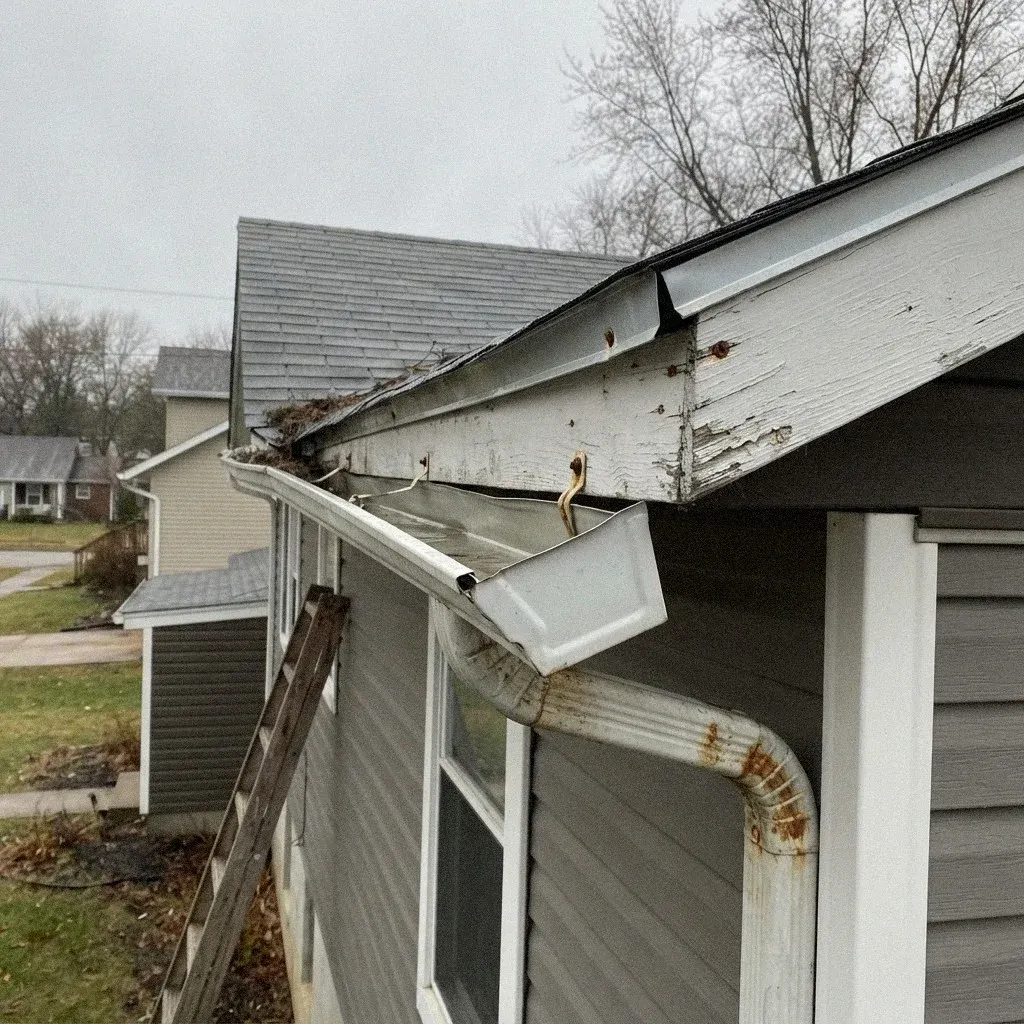
Leaks After Rain
Why can a Danbury roof keep dripping after rain ends? Learn how water held in roof materials affects timing, what signs to track, and when to arrange an inspection.
Read article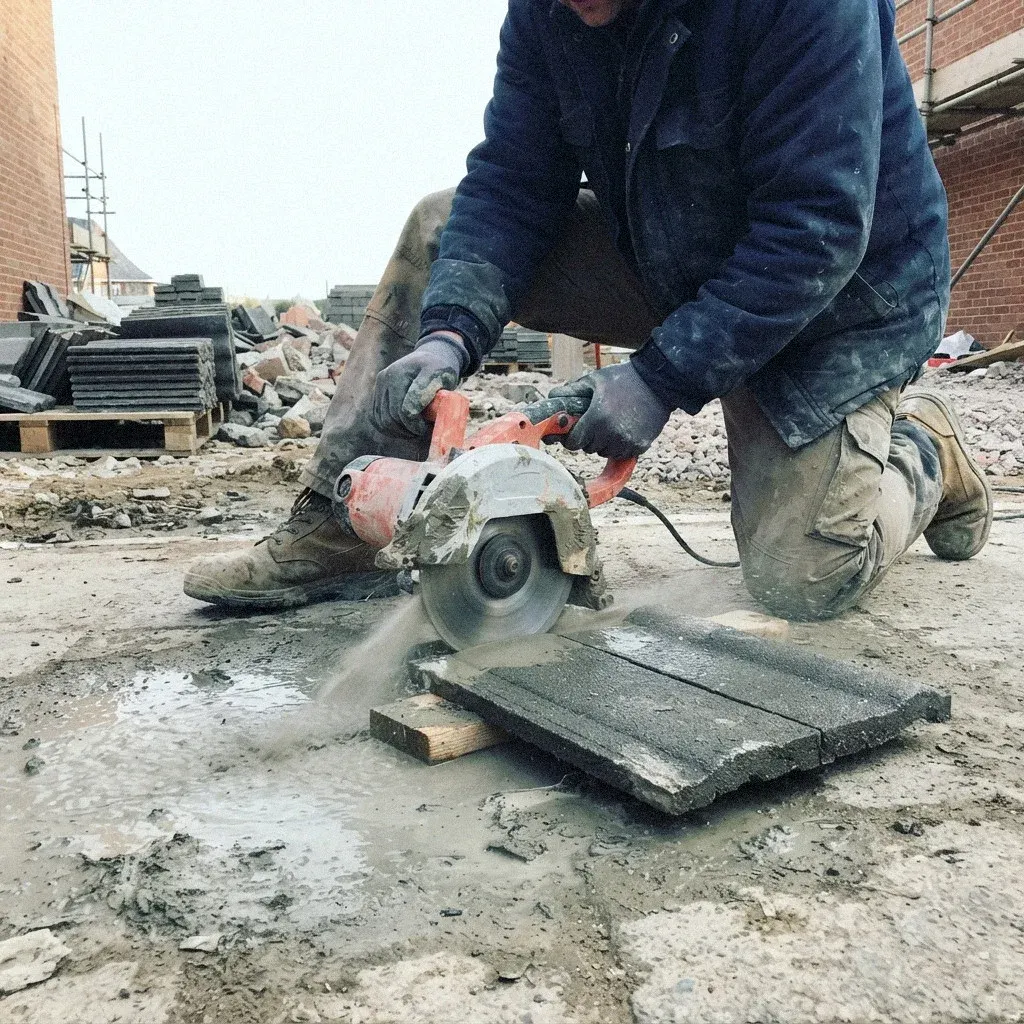
Tile leak repairs for Danbury homes near Tarrywile Park
Near Old Bridge Sanctuary, a Danbury homeowner may notice a tile out of line after rain, while a ceiling mark appears later during a freeze or thaw. Danbury’s rain, freezing temperatures, and snow are useful context, but they do not identify a particular roof’s condition. Tile covers the surface; underlayment below it provides another layer against water. If you see a change from the ground, note its location and where moisture appears indoors, then arrange an assessment.
For a Danbury tile roof leak, the repair turns on what the roofer finds after lifting only the pieces needed to expose the affected area. They can assess whether cracked tiles can be matched, whether the underlayment has failed, and whether flashing at an edge or roof opening also needs attention. The scope and estimate depend on those findings, the amount of tile that must be moved, and how much material can be reused. Ask what the proposed repair covers before work begins.
Across Danbury and Brookfield, New Fairfield and Ridgefield, Tile Roof Leak Repair is scoped from the specific roof and attic evidence; a home near Brookfield Center may need a different repair than one by Ballard Park.
When you own and occupy a house, residential roof leak repair service explains the residential service; owners overseeing tenants or workplace buildings can find their next steps through commercial roof leak repair.
A tile with a fresh crack or chipped corner can leave the layer beneath it exposed, even if the surrounding rows still look aligned. From the ground, note which slope or roof edge the damaged piece is on; do not step onto the tiles to get a closer look. In Danbury, rain and winter freezing can make a small opening worth assessing before more moisture reaches the roof assembly. A roofer can determine whether the piece can be replaced without disturbing a larger area.
Moisture or dark discoloration on the underside of roof sheathing can indicate that water has passed the tile covering and reached the underlayment or wood below. The underlayment may be split, brittle, or separated at a joint, though an indoor mark alone cannot establish its condition. If you can see attic materials safely from inside, note what looks changed and where. A musty attic smell can accompany trapped moisture, but it does not reveal where water entered.
A tile row that no longer sits evenly may leave a channel through which water can reach the underlayment. Pay attention from the ground to changes near roof edges, walls, chimneys, or other transitions, where flashing helps direct water past joints. Loose or missing flashing can leave a joint exposed even when nearby tiles appear aligned. The roofer checks the exposed details before deciding what to correct.
They identify a place to stage tools and materials that avoids loading fragile tile courses, then set boundaries below the work area to keep people clear of falling pieces.
The roofer lifts tiles in sequence and places reusable pieces aside, exposing the underlayment while limiting pressure on adjacent courses.
They remove failed underlayment and fit a compatible repair, checking nearby flashing joints where water could pass beneath the tile covering.
They seat the tiles back into their courses, confirm the overlaps direct runoff downslope, and photograph the repaired area for your records.
A cracked tile can admit water, but the condition of the underlayment determines whether the layer below still sheds it away. If a roofer replaces the visible piece while leaving a failed section beneath it, moisture may keep reaching the roof deck. In Danbury, ask for an explanation of what the lifted tiles revealed and how the proposed repair addresses both the covering and any damaged underlayment. That gives you a clearer basis for reviewing the work.
Before scheduling tile work at a Danbury property, ask the city building department whether the planned repair needs a permit. Ask whether the permit question changes if the repair expands after tiles are lifted. Describe whether the roofer expects to replace a few tiles, repair underlayment, or address flashing as part of the work. Keep the response with the written scope so both describe the same project.
Tile can crack under concentrated weight, and a damp, steep, or icy roof can make a misstep dangerous. Stop at ground level if the only way to check a tile is to climb; the pros we connect you with can decide whether conditions allow safe access and use suitable fall protection. Around Danbury, rain and winter temperatures can change roof conditions quickly, so the inspection may need to wait until access is safe. Protect the roof and the person inspecting it.
A written scope helps show which repair steps the estimate covers. Ask the contractor to explain inspection results, disclose any visit fee, and document the work.
| Roof area | Repair steps | Access needs |
|---|---|---|
| Pinpoint scope | Correct one defective roof element; neighboring materials receive no work | an estimated $800–$2,100 |
| One feature | Repair the inspection-traced entry source; separate leak origins require separate work | an estimated $920–$2,730 |
| Several features | Correct a contained flaw; damage extending into wider roof areas is separate | an estimated $800–$2,100 |
| Roof replacement | Restore one deteriorated roof part; adjacent serviceable roofing receives no work | an estimated $1,920–$8,400 |
Where roofing meets a chimney or wall, the flashing detail can shape how much careful fitting a repair needs. The condition beneath the flashing can also shape how the repair is planned. For broader cost context, read the full pricing guide before choosing an option.
The roofer first checks whether the tile is cracked, displaced, or broken beyond reuse. With safe access, they lift surrounding pieces in sequence, remove the damaged tile, and set a suitable replacement so it sits correctly within the course. They also check the underlayment exposed by that work; a new tile cannot address a split or deteriorated layer beneath it. Ask whether matching material is available and what happens if additional damage appears after lifting.
The roofer first identifies where the water-shedding layer has failed. If it has split or deteriorated, the roofer carefully lifts enough tiles to reach the damaged section, removes the failed material, and installs a compatible patch or replacement section with its laps arranged to shed water. They then return reusable tiles and replace pieces that are broken. The repair boundary depends on how far the damage extends once the area is open.
Stay on the ground if tiles look cracked or shifted; walking on them can break more pieces and put you at risk of falling. Do not move loose tiles or place a ladder against a damaged section. If you are near Old Bridge Sanctuary, that landmark may help identify the property location when arranging an assessment. Leave close inspection of the roof surface to a qualified professional with proper access equipment.
The estimate depends on how many tiles need to be lifted, whether they can be reused, and the size and condition of the underlayment area beneath them. A tile that is difficult to match or flashing that needs correction can also change the scope. Ask the roofer to separate the visible tile work from any concealed repair allowance and explain how they will handle added damage. That makes it easier to compare proposals for the same work.
An assessment can help determine whether the leak involves the tiles or the underlayment. For a tile-roof leak, a roofer can lift adjacent tiles, replace broken pieces, and repair deteriorated underlayment so water sheds toward the eave. Flashing may need attention at a wall or chimney. Whether near Candlewood Town Park, Tarrywile Park, or Route 8, arrange an assessment and ask what repairs are proposed.
Ask the roofer to explain whether the damage they uncovered stays within the planned repair area and whether nearby tiles and underlayment remain serviceable. If deterioration continues beyond the opening, they should show you the evidence and describe the additional work before changing the scope. A property near Brookfield Center may have a different layout than a Danbury home, but the decision still rests on the inspected materials. Request the revised scope in writing.
For tile roof leak repair, $800–$2,100 for this work is an estimate shaped by the roof covering, where water gets in, and the repair area. The pros we connect you with can confirm the price after inspecting the roof.
See how roof layers and joints influence the route water takes into a home.
Why can a Danbury roof keep dripping after rain ends? Learn how water held in roof materials affects timing, what signs to track, and when to arrange an inspection.
Read article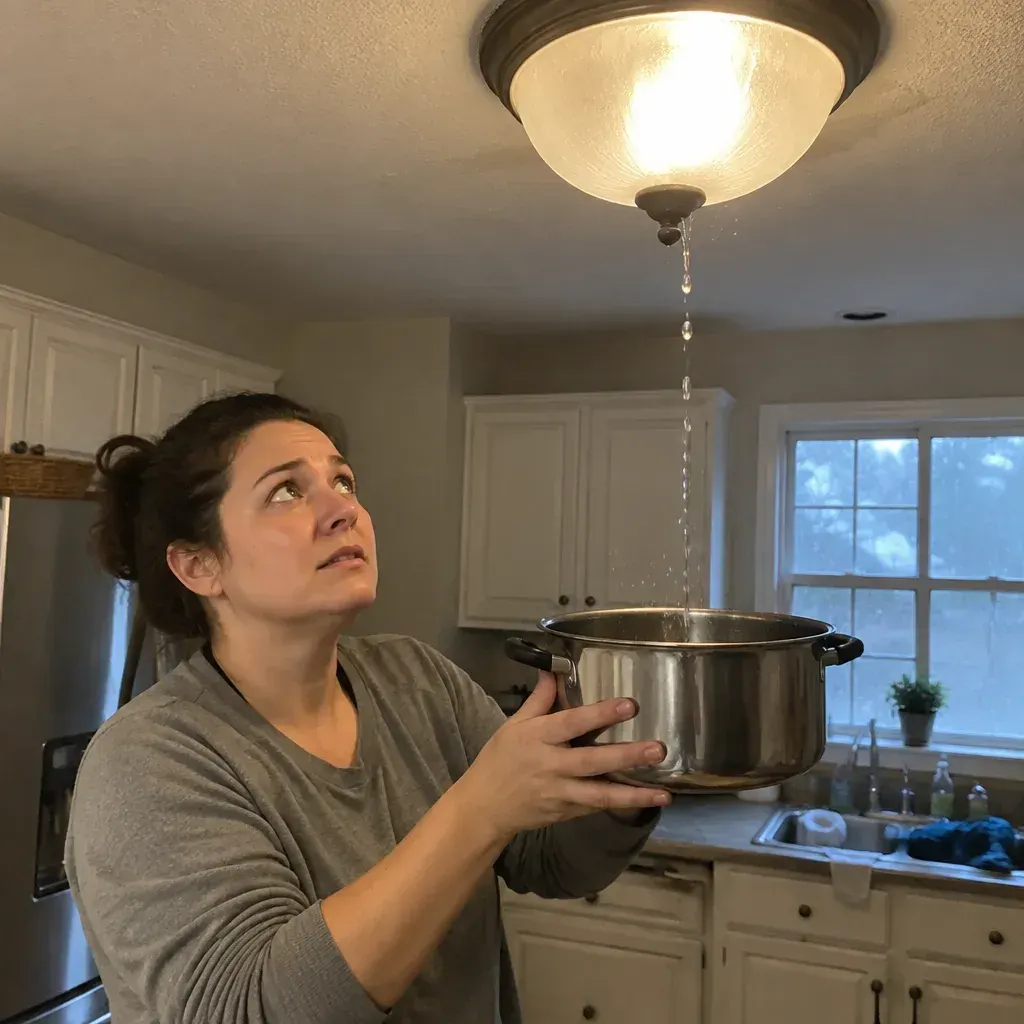
Why can a Danbury roof stay dry in light showers but leak in a downpour? Learn how water volume, roof details, and storm notes help guide an assessment.
Read article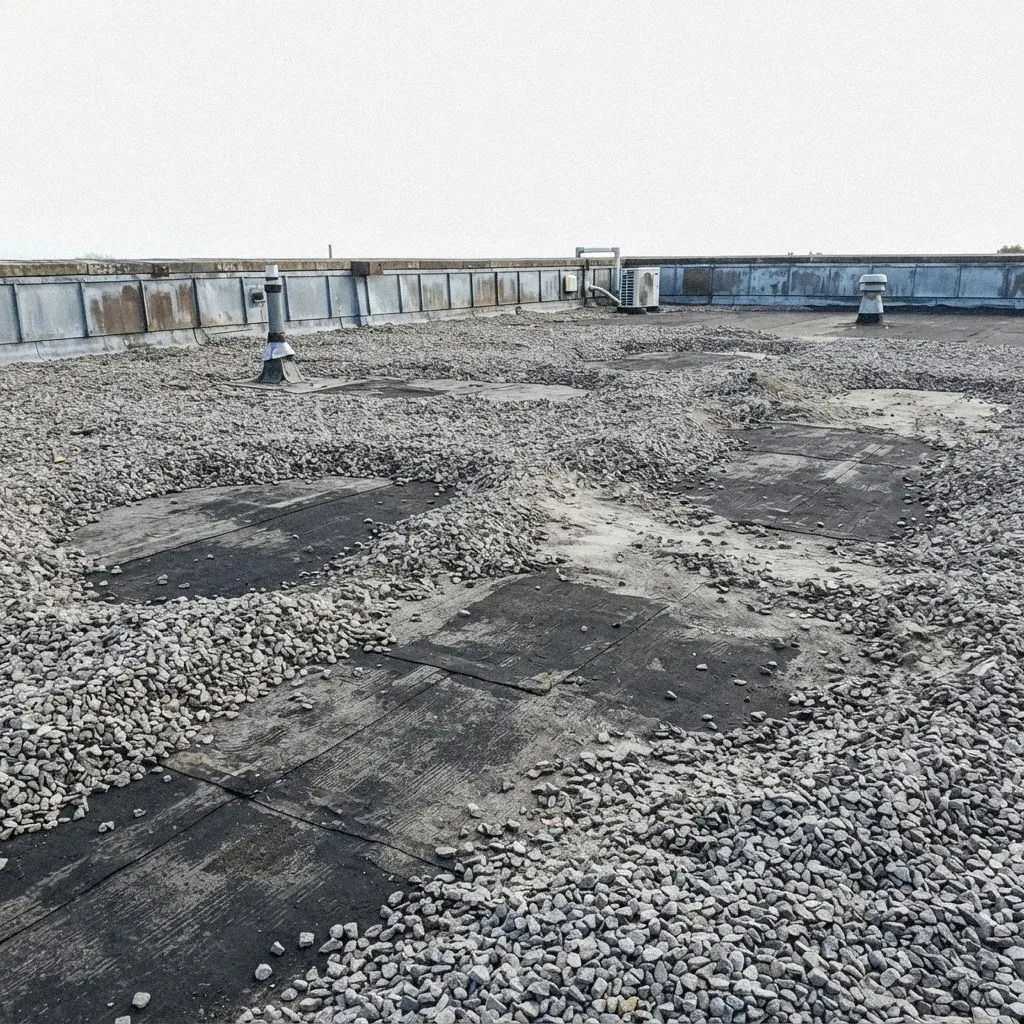
Wind can send rain against roof edges and seams that stay dry in calmer weather. Learn why the leak may follow a particular wind direction and what details help an inspection.
Read articleFor a Danbury property near Route 8, give the pros we connect you with the address and ask whether it falls within their service area. Explain where water shows indoors and what changes you have observed, then ask what the inspection includes and whether it carries a charge. A written explanation should identify the suspected roof component and the work proposed for it. Clarify which items are outside that scope, how they would be priced, and what warranty terms apply before deciding how to proceed.
Call (475) 897-6140