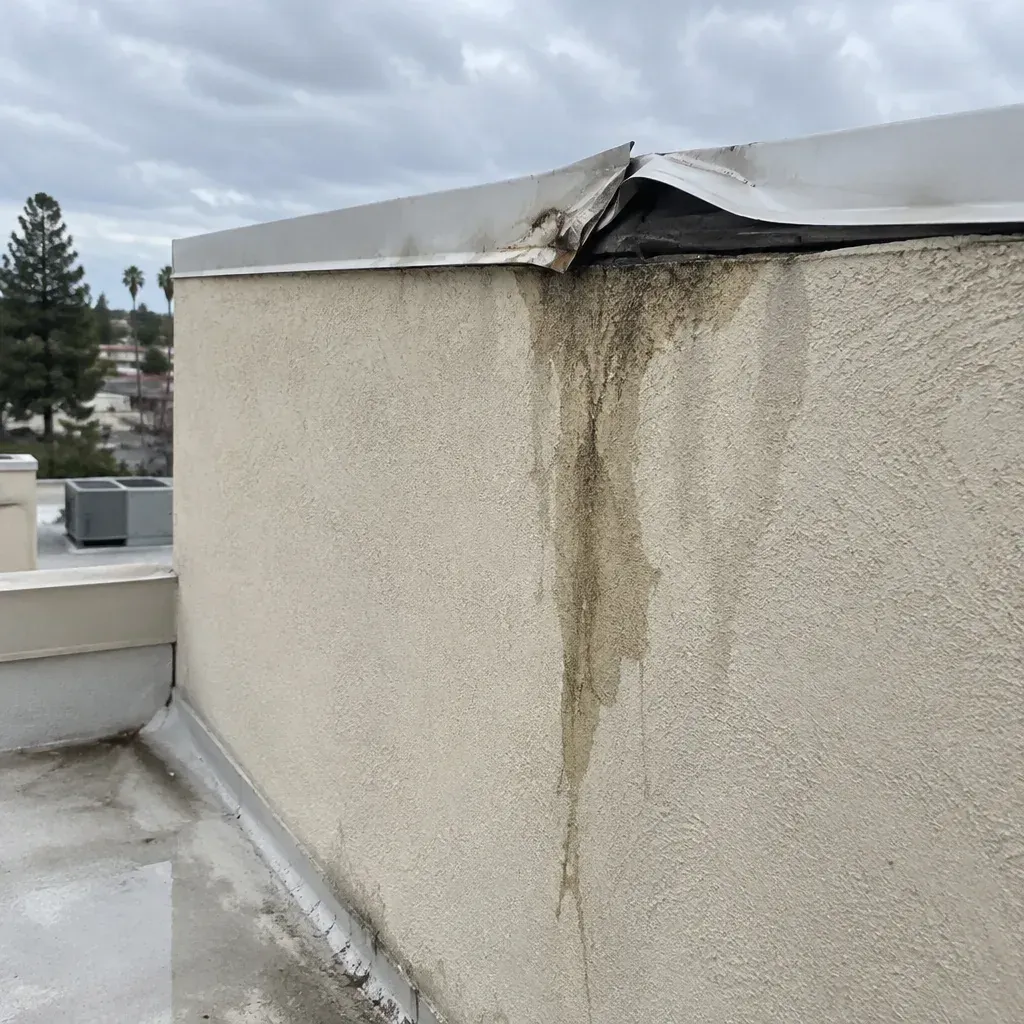
What a Roof Check Can Confirm
Danbury’s climate normals include precipitation, freezing temperatures, and snow, so a wall junction may face wetting followed by winter freeze exposure. Near Candlewood Lake, those regional conditions are useful inspection context, not proof that weather caused a particular leak.
Homes across Danbury’s residential ZIP areas have distinct settings; no single roof type is established for the city. Whether your home is near Farrington Woods or Danbury Green, the junction and its adjoining layers need an individual inspection.
Some roof leak requests start in Danbury; others come from elsewhere in Western Connecticut. Give the pros we connect you with the property location so they can establish whether they serve that area before you plan next steps.
Matching Repairs to Roof Findings
- Indoor Trace
- Step flashing sits between roof courses at the wall and directs water down the slope through overlapping pieces.
- Cladding Layers
- The upper wall layers shield the flashing edge and help send water back outside the cladding.
- Metal Fit
- Moisture may follow the roof structure or framing before appearing on an interior wall or ceiling.
- Nearby Faults
- A roofer compares attic clues and visible roof materials to distinguish the junction from nearby leak sources.
- Work Scope
- Danbury’s climate normals provide rain, snow, and freezing-temperature context, but do not diagnose an individual roof.
- Roof Components
- Rain can expose a weak wall junction; snow and freezing temperatures can keep adjoining materials wet and stiff. As conditions shift through Danbury’s seasons, record when moisture returns so an inspection can relate the timing to the roof edge and wall layers.
- DAMAGE EXTENT
- an estimated $350–$900
Using Attic Evidence to Narrow the Leak Path
Roof shingle leak. A damaged area in the roof covering can send water toward the same upper wall and create a similar indoor mark. The entry trail and the materials above it help distinguish that fault from a failed wall junction. A roof-to-wall leak can resemble water entering through a window or siding defect. Evidence that begins beside the wall points toward the junction; moisture starting higher on a roof plane may lead to another fault. A roofer checks both areas before choosing a repair.
Roof Leak Repair Scope After Roof Review
The roofer starts with your notes and checks the indoor evidence against the roof edge and accessible attic area. At the junction, they inspect flashing overlaps, cladding, the water-resistive layer, and nearby roof materials. This comparison helps separate a transition leak from a break in an adjacent roof section.
In Danbury, the roofer first follows moisture marks along the wall and checks nearby roof surfaces for a shingle or valley fault. They open the cladding at the joint and inspect the water-resistive layer. If its drainage path is broken, they reconnect it with the step flashing and counterflashing, then restore the wall finish.
A visit may resolve the issue when one damaged roof part is accessible and inspection finds no related trouble at nearby joints. Several affected transitions or hidden moisture may require work in stages and a later review. Consider a standing plan only when inspection gives continued monitoring a specific purpose.
WHEN TO FIX A SOURCE OR CHECK THE ROOF AGAIN
| Inspection Focus |
Specific-Site Service |
|---|
| Single roof damage found at one spot | Leak source tracing |
| Dripping resumes once the repair is done | Repair scope review |
| Several wet rooms, one unclear source | Roof joints resealed, shingle courses refitted |
Keeping Household Items Clear of Drips
From a dry, safe place indoors, write down when moisture appears and which wall or room is affected. Record whether the stain changes shape or color over time. Do not climb up, pull off cladding, or disturb wet insulation. Leave roof and attic inspection to a roofer with suitable equipment.
Roof Leak Hazards Inside the Home
Moisture at a roof-to-wall joint can reach concealed wood, insulation, and wiring. Keep clear of bulging or sagging wall and ceiling areas, and avoid touching wet fixtures or switches. If water is actively entering, move people and belongings from the area and contain drips only from a dry, safe spot indoors. Wet insulation can lose its insulating ability and remain damp after the surface dries.
What Should a Roof Leak Repair Quote Cover?
Send photos of interior staining and visible damage to the pros we connect you with, then ask what evidence supports the repair estimate.For a Danbury home, the guide amount covers repair to the roof area tied to the inspected leak; separate upkeep and other roof issues sit outside it. A damaged vent boot or flashing joint can change the materials and labor involved. Ask the pros we connect you with how the inspection visit is billed and which components their proposal includes.The pricing guide pairs each repair tier with conditions that can alter its cost.